
Beyond the Table: A Global Immersion into Food Heritage and Food Systems in France
- Jun 8
- 2 min read

Students from the Master of Food Studies and Gastronomy programme recently participated in a Global Immersion Fieldtrip in France, designed to explore food systems through the interconnected perspectives of heritage, culture, and practice. The programme was co-organised in collaboration with ISTHIA, Université Toulouse - Jean Jaurès (UT2J), reflecting a strong institutional partnership that facilitated meaningful academic exchange and immersive learning experiences within diverse food environments. Throughout the programme, students examined food as an important element of cultural heritage. Activities such as a guided tasting session at Château du Cèdre, visits to local farms, and participation in a village festival featuring the iconic giant omelette provided valuable insights into how food traditions are preserved, practised, and adapted within local communities.

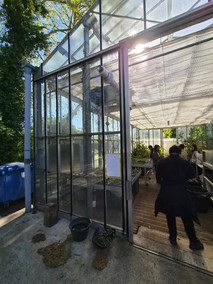


The fieldtrip also offered exposure to multiple dimensions of contemporary food systems, including institutional catering, hospitality education, artisanal production, and community-based food practices. Educational visits to facilities such as the Marché d’Intérêt National of Toulouse (MIN), a central production kitchen in Colomiers, the Gardens of Toulouse Museum, and the Lycée Hôtelier enabled students to develop a deeper understanding of supply chain operations, large-scale food provisioning, and professional training ecosystems within the hospitality and culinary sectors.
Additional learning activities further enriched the experience. These included a visit to the Ovalie platform, where students engaged with applied research tools and methodologies, as well as a film screening and discussion on agriculture, visits to botanical gardens, and collaborative academic exchanges. Collectively, these activities encouraged critical reflection on the cultural, environmental, and ethical dimensions of food systems.

A key highlight of the programme was the opportunity for Taylor’s students to engage directly with students from ISTHIA programmes, fostering cross-cultural dialogue, peer learning, and academic exchange surrounding food systems, hospitality, and tourism. Overall, the fieldtrip provided students with valuable opportunities to connect theoretical knowledge with lived food practices, cultivating a more comprehensive understanding of how food systems operate at the intersection of culture, heritage, sustainability, and contemporary global challenges.